

Personal, Social & Health Education (PSHE) and Relationships and Sex Education (RSE)
INTENT
At The John Wesley CEM Primary School (JWS), our intention is to equip our pupils with the knowledge, understanding, skills and strategies required flourish and become healthy, independent and responsible members of society. Our curriculum intends to develop the whole child through carefully planned and resourced lessons that foster pupil’s knowledge and skills necessary to grow personally and socially, to protect and enhance their wellbeing, to stay safe and healthy, build and maintain successful relationships and become active citizens, who are able to responsibly contribute to our diverse society. We want children to have high aspirations, a belief in themselves and realise that anything is possible if they put their mind to it. Pupils are encourage to play an active role in contributing to school life, for example through fundraising, supporting school charities, involvement in the organisation of events and promoting our school values.
What do we want from our pupils?
- To develop a confidence in sharing their own thoughts and opinions with others
- To develop skills and awareness to keep themselves healthy and safe
- To develop positive views of themselves and others
- To develop an attitude of a responsible global citizen
- To understand and manage their emotions
- To show tolerance of others beliefs, religions and choices
- To build positive, respectful and safe relationships with other people now and in their future lives
- To know about their rights and responsibilities
- To have an understanding of the British Values
- To contribute to school life and the wider community
- To challenge stereotypes
IMPLEMENTATION
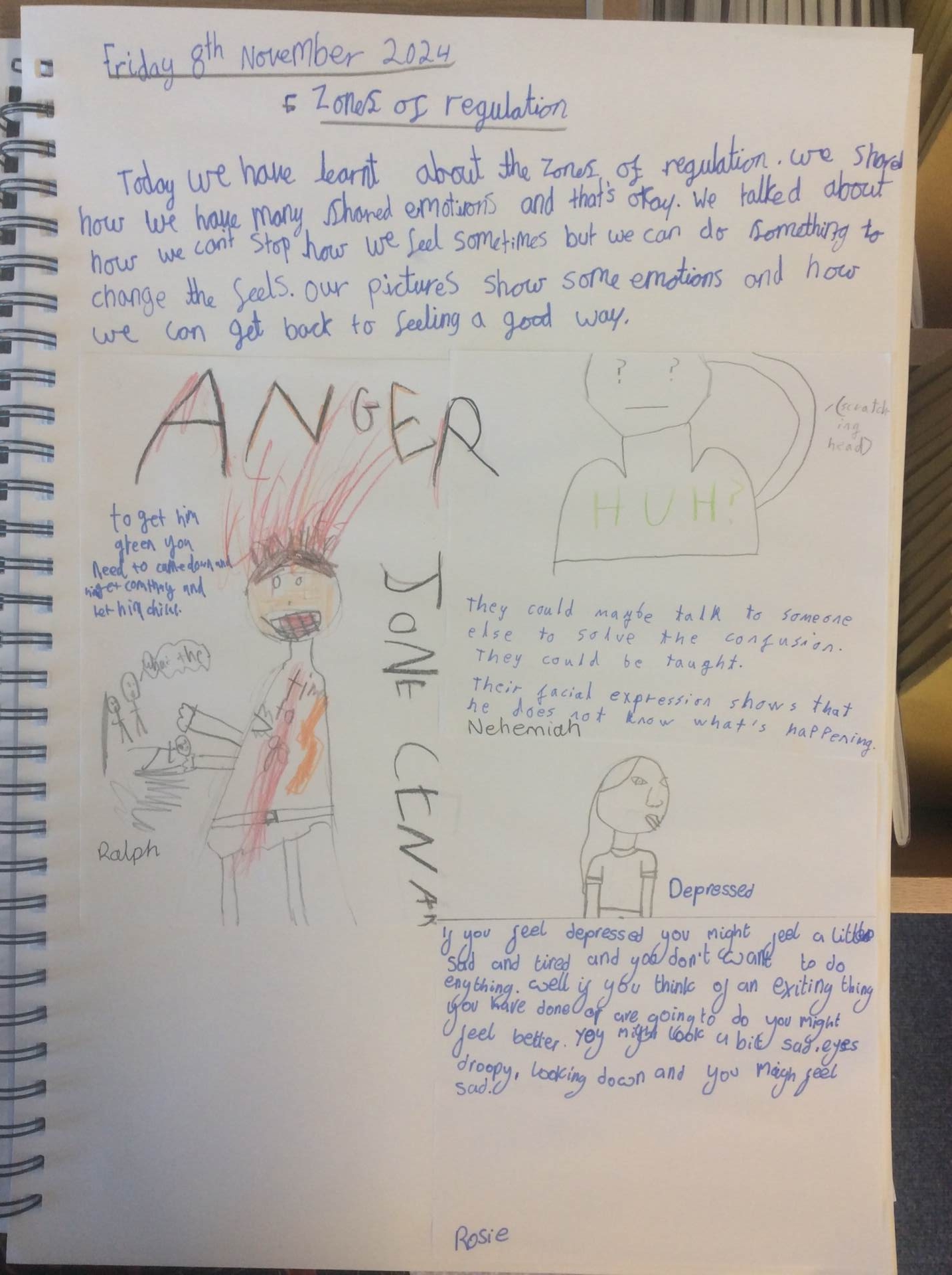
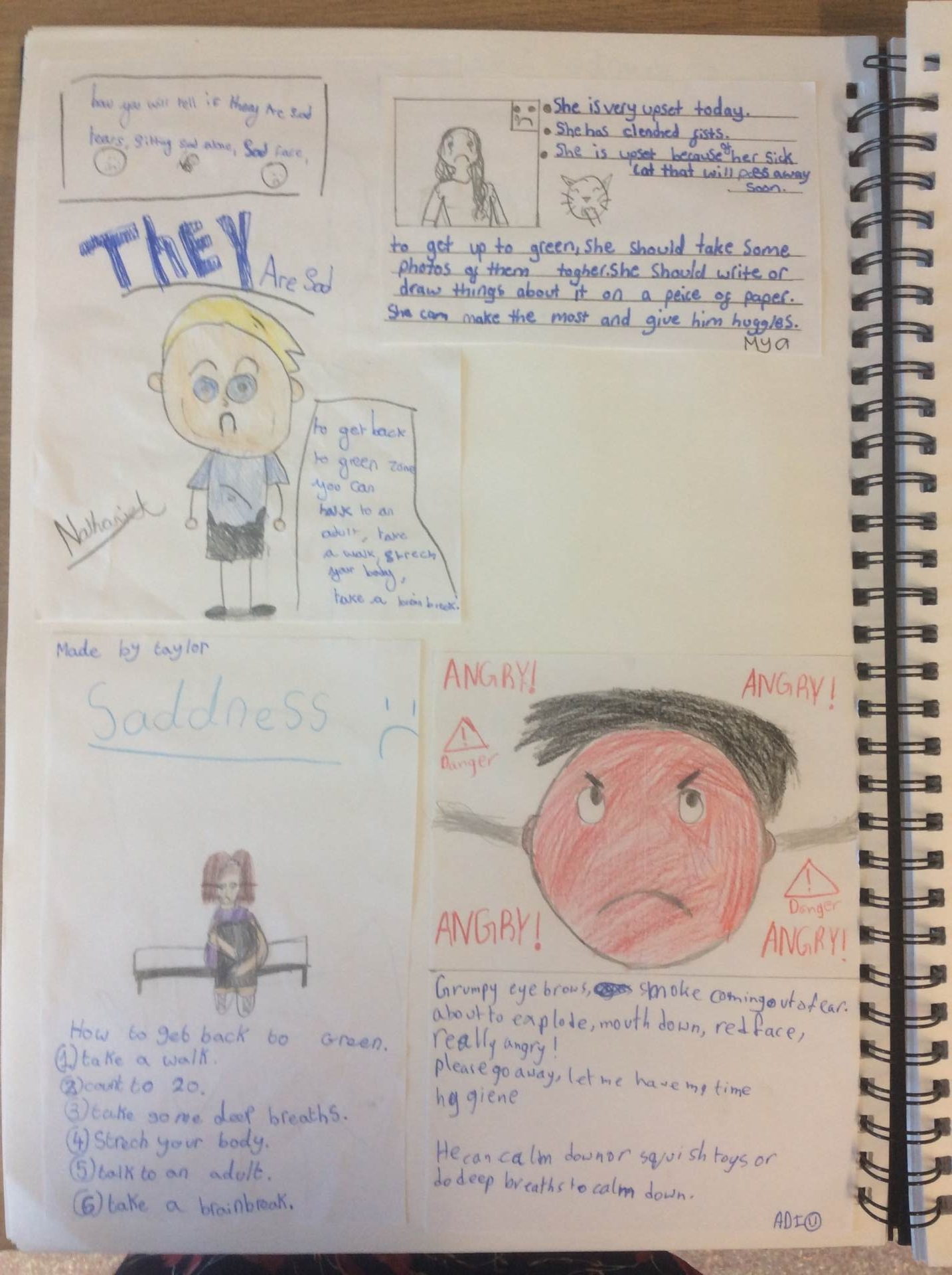
At JWS, we use a mixture of lessons from POL-Ed (an education scheme of work developed and provided by the police) and the PSHE Association to support the delivery of PSHE and RSE. Using lessons from both these providers we can meet the needs of our pupils at an age appropriate level, in a sensitive and inclusive manner with respect for the varied backgrounds of our families and their beliefs. The overview provides an inspiring programme of study with excellent opportunities for enrichment experiences to enable pupils to develop essential life skills and knowledge to guide them in this ever changing world. It fulfils the requirements of the 2025 Statutory Relationship and Health Education and follows there core areas of Health and Wellbeing, Relationships and Living in the Wider World. It is designed to be taught in thematic units with a spiral approach, ensuring themes can be revisited year-on-year, and pupils can recall and build upon previous learning and create a toolkit of strategies and knowledge. The units are also supported with the schools use of Zones of regulation to be able to understand themselves and others. A long term plan for JWS has been developed based around this to allow for progression between the year groups. The themes include
Term 1 and 2 - Relationships
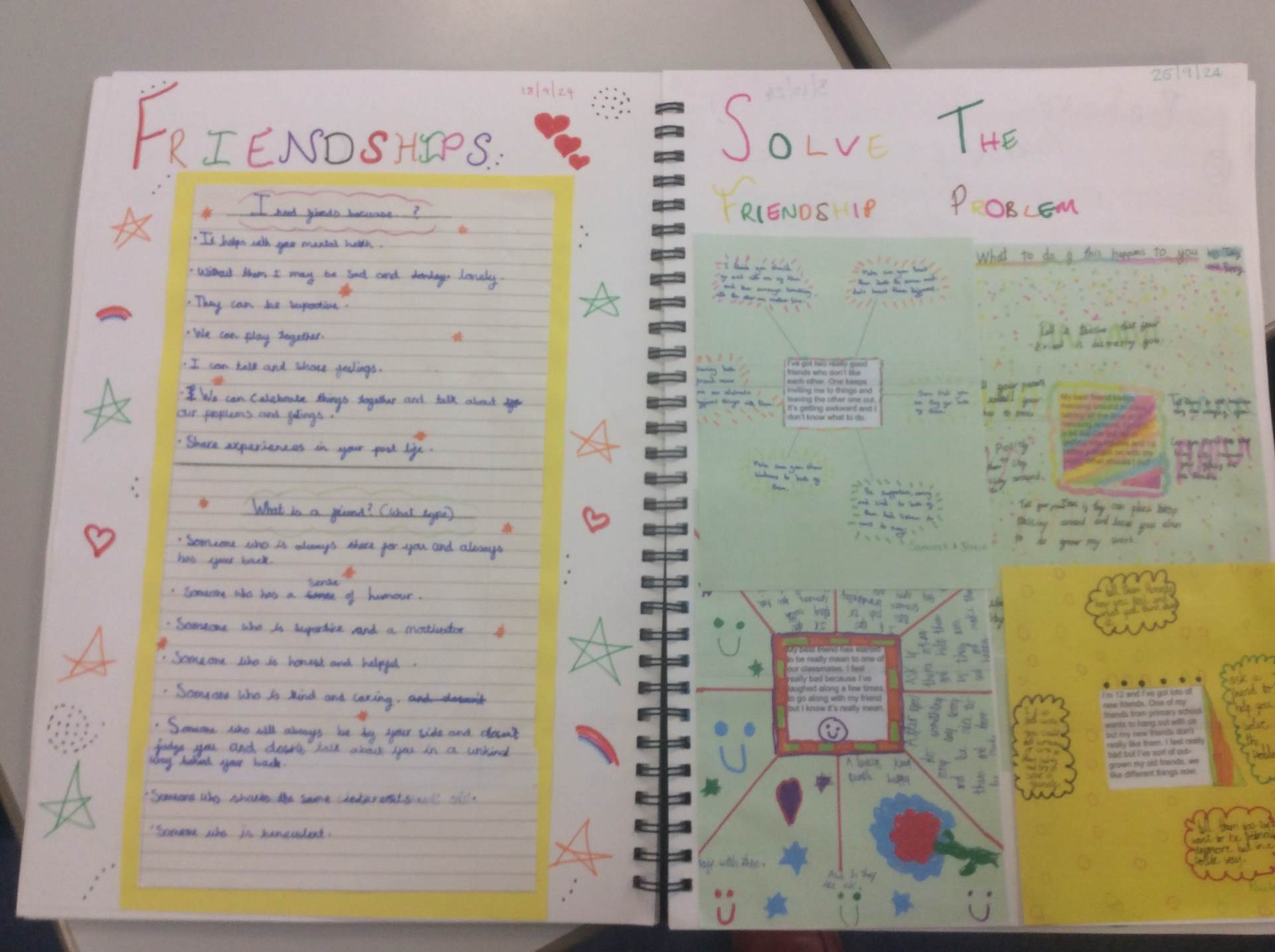
- Families and friendships
- Safe relationships
- Respecting ourselves and others
Term 3 and 4 - Living in the wider World
- Belonging to a community
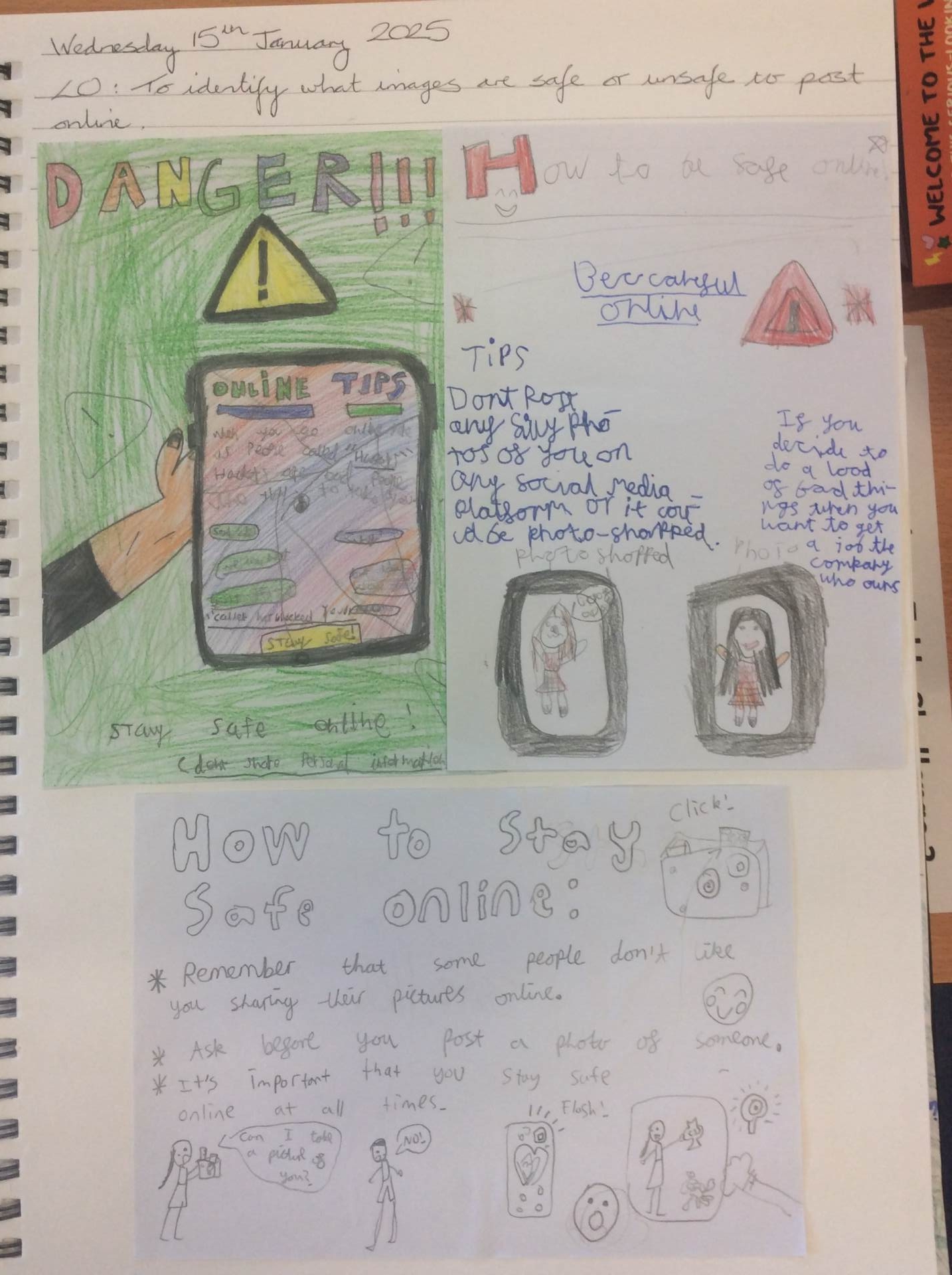
- Media literacy and digital resilience
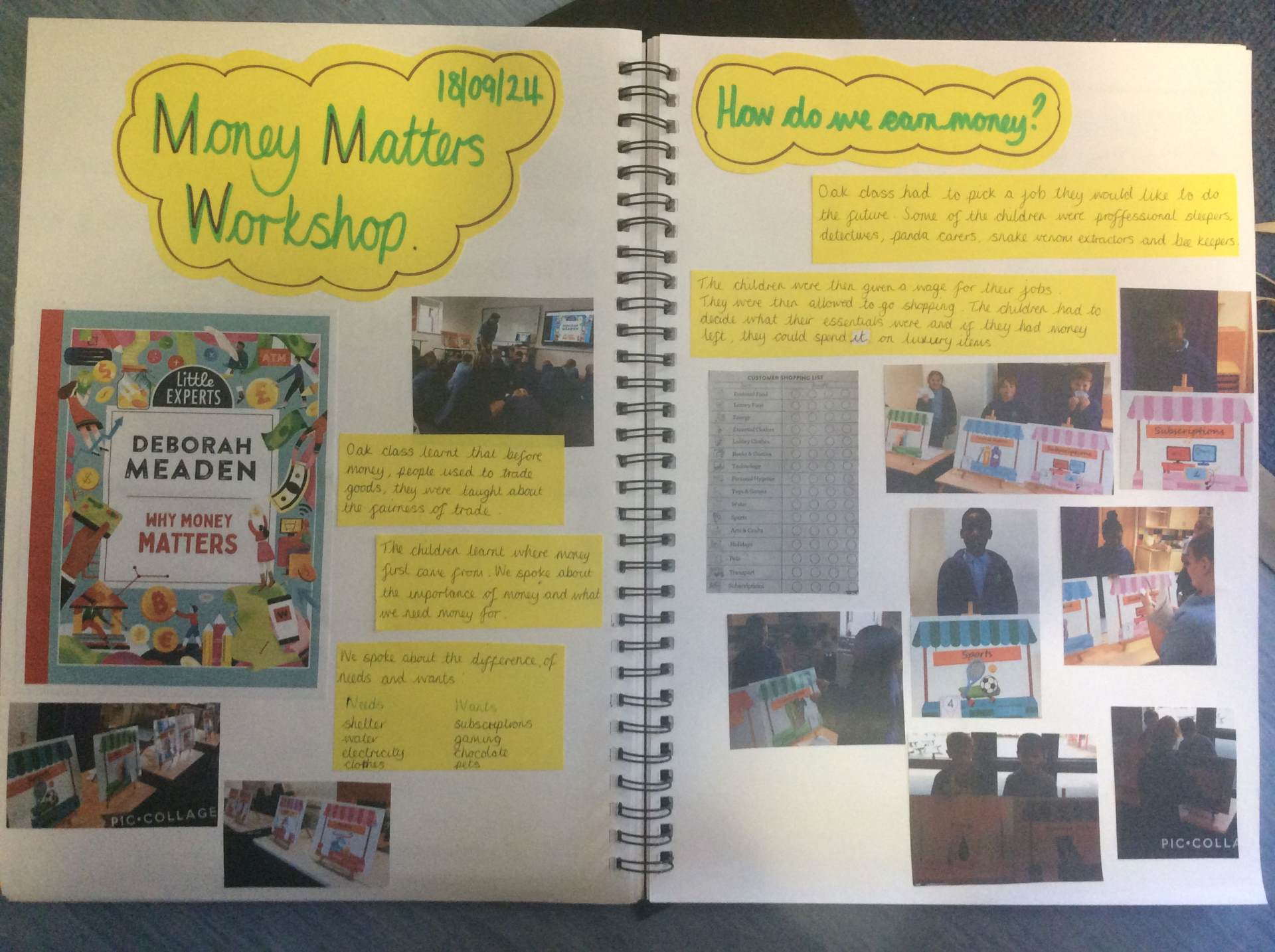
- Money and Work
Term 5 and 6 - Health and Wellbeing
- Physical health and mental wellbeing
- Growing and changing
- Keeping safe
We aim to deliver our PSHE and RSE curriculum in a creative way by using strategies such as role play, music, discussion, debate, games etc. Applying the learning in a scenario-based way gives the children the opportunity to ask questions and practise the skills in a safe and caring environment. Supporting lessons worships allow areas to be raised as a whole school and the pupil’s spiritual, moral, social and cultural curiosity to be stimulated, challenged and nurtured. This is particularly evident in the class Picture News worships where British values and protected characteristics can also be discussed.
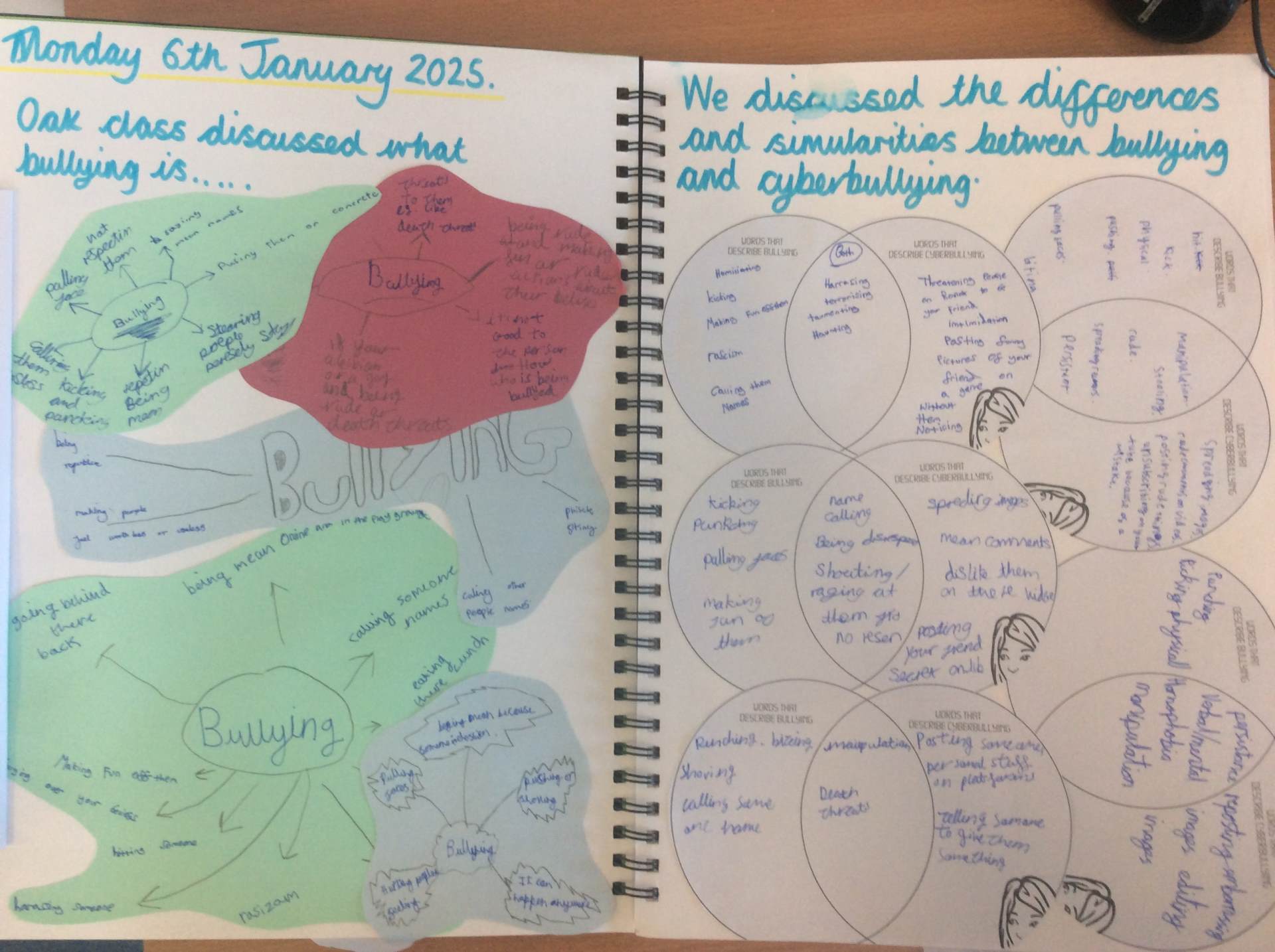
As well as delivery of weekly lessons using the programme of study learning is complemented with campaigns and events throughout the year such as Remembrance Day, Anti-bullying week and mental health week. Also the supporting of charity events such as Red Nose day, and Children in Need.
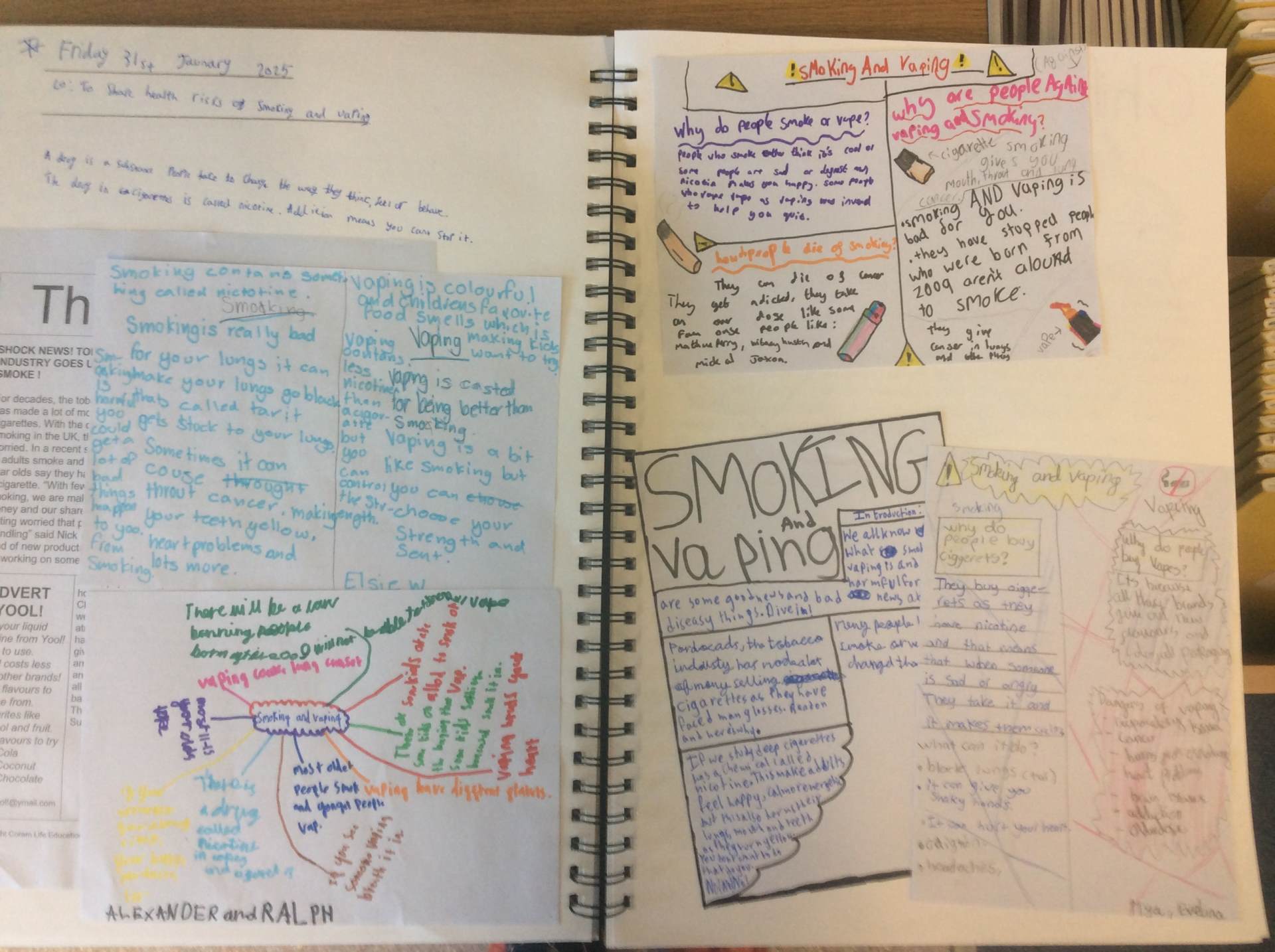
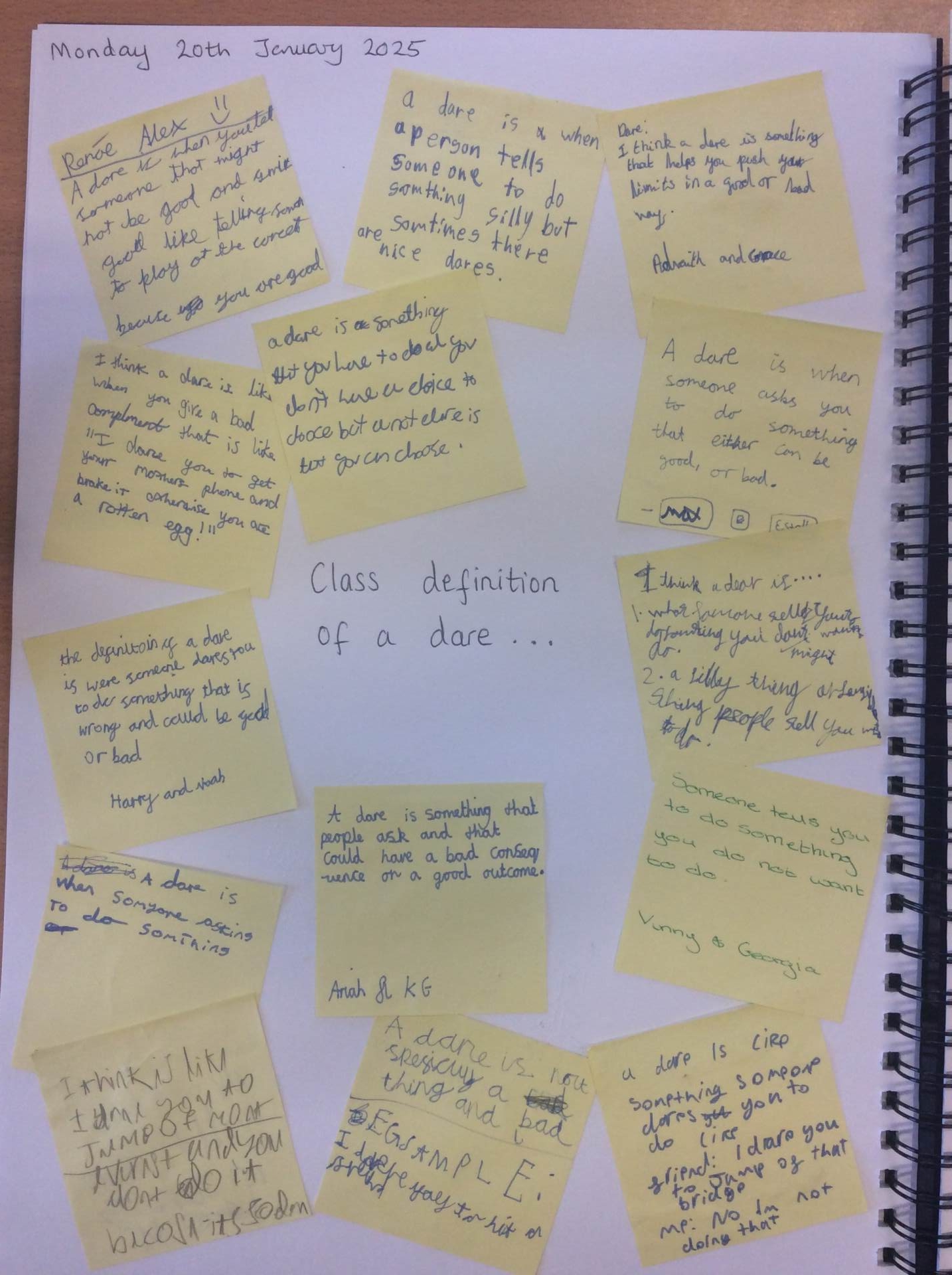
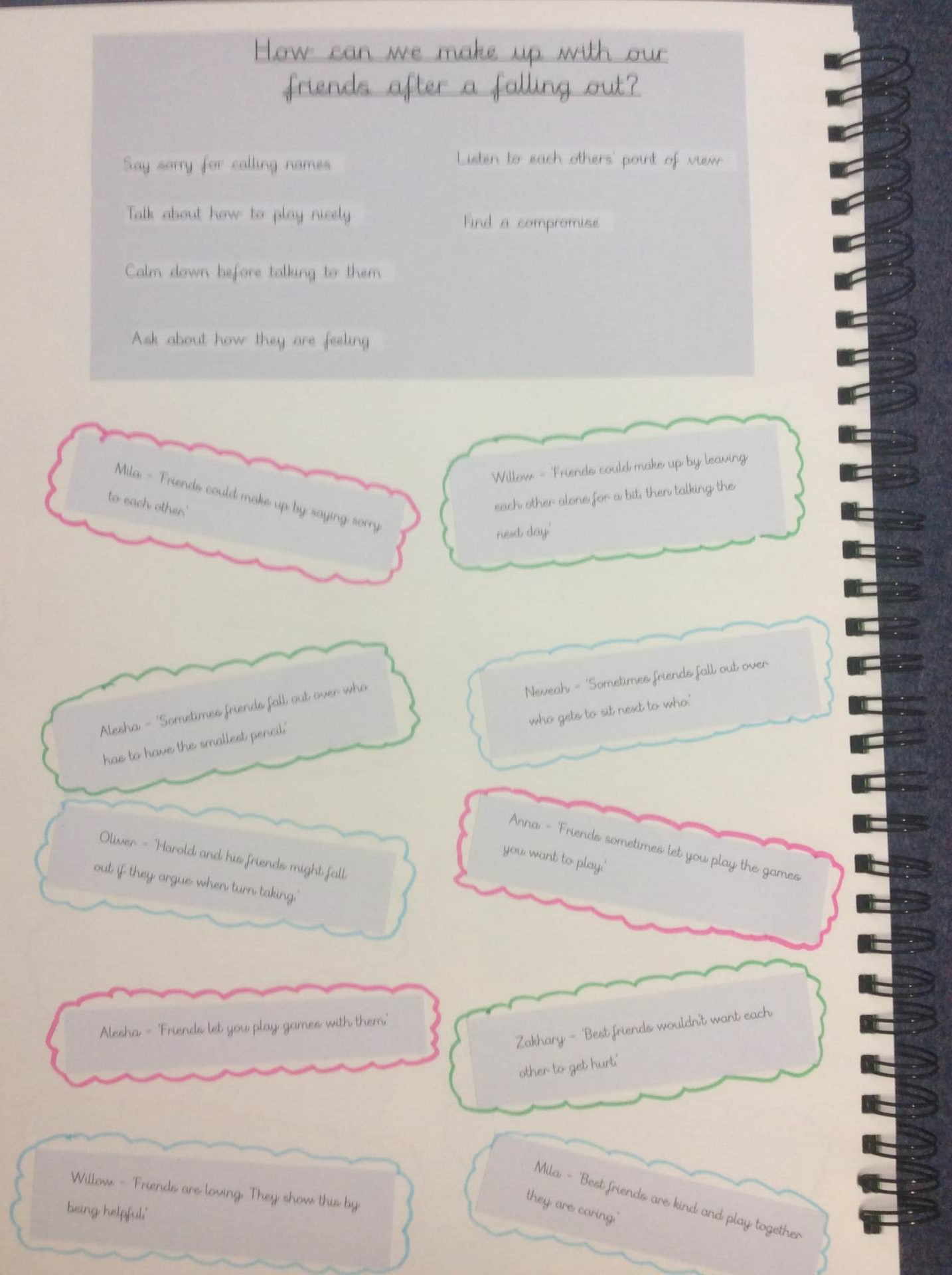
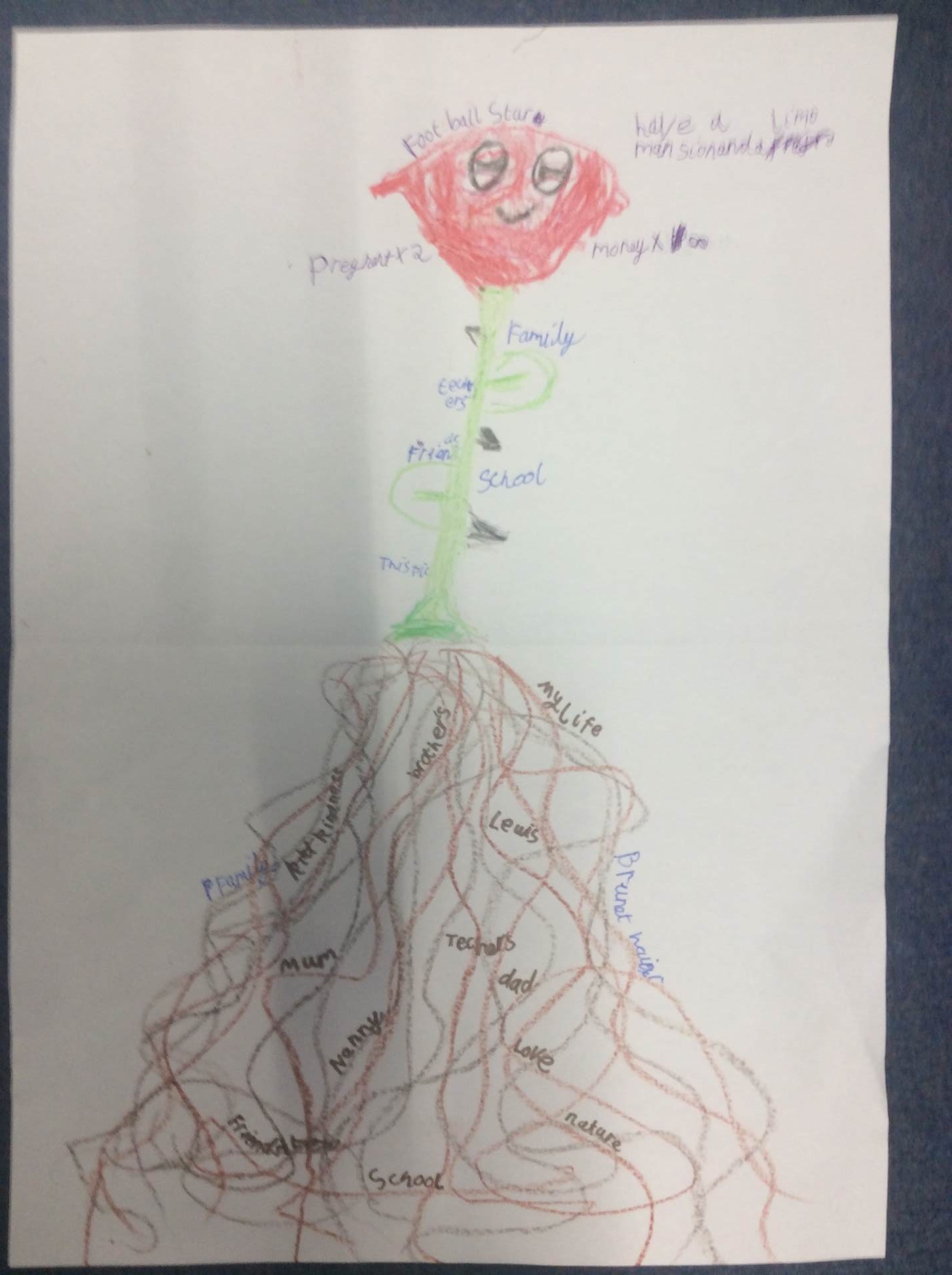
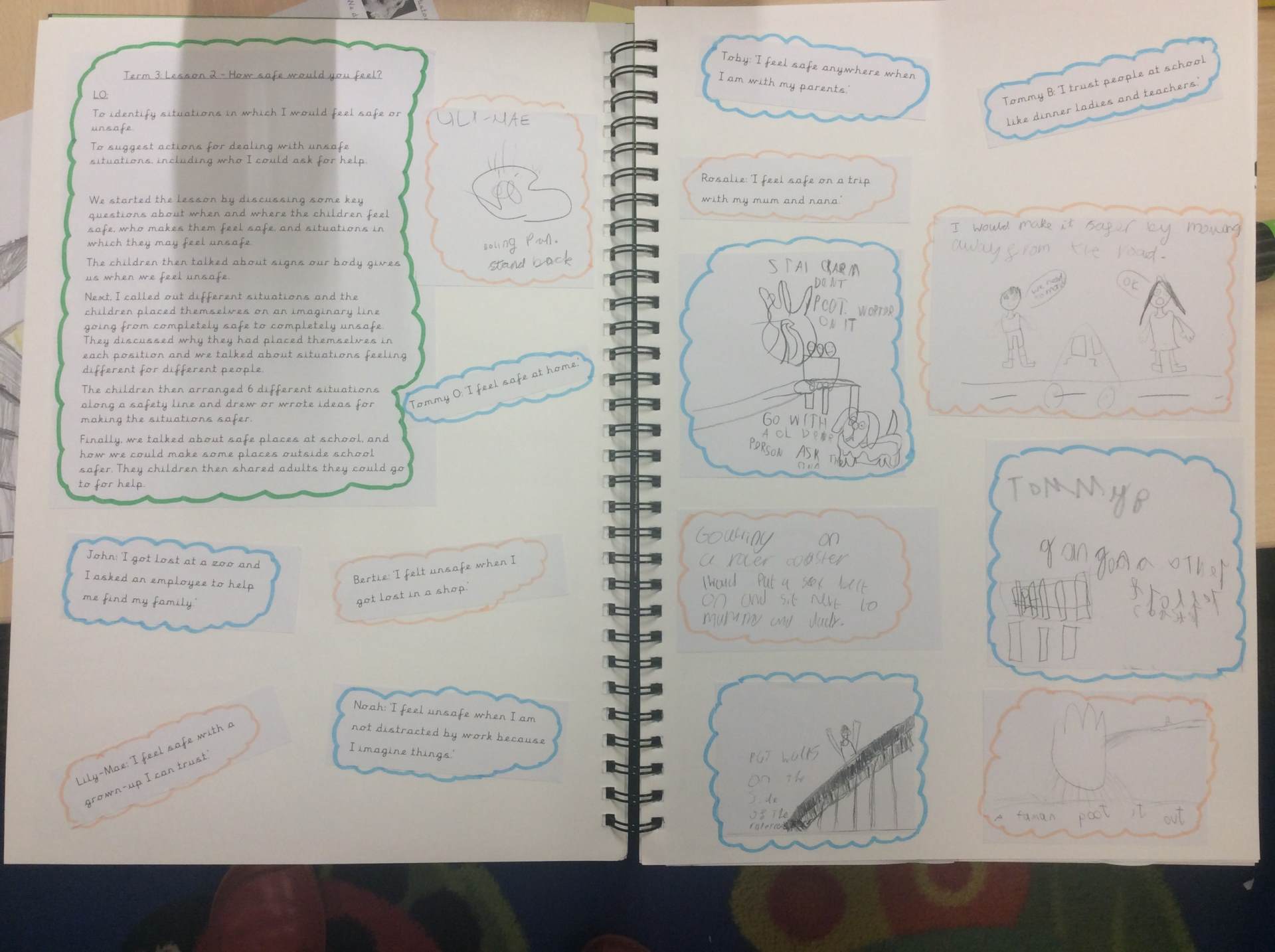
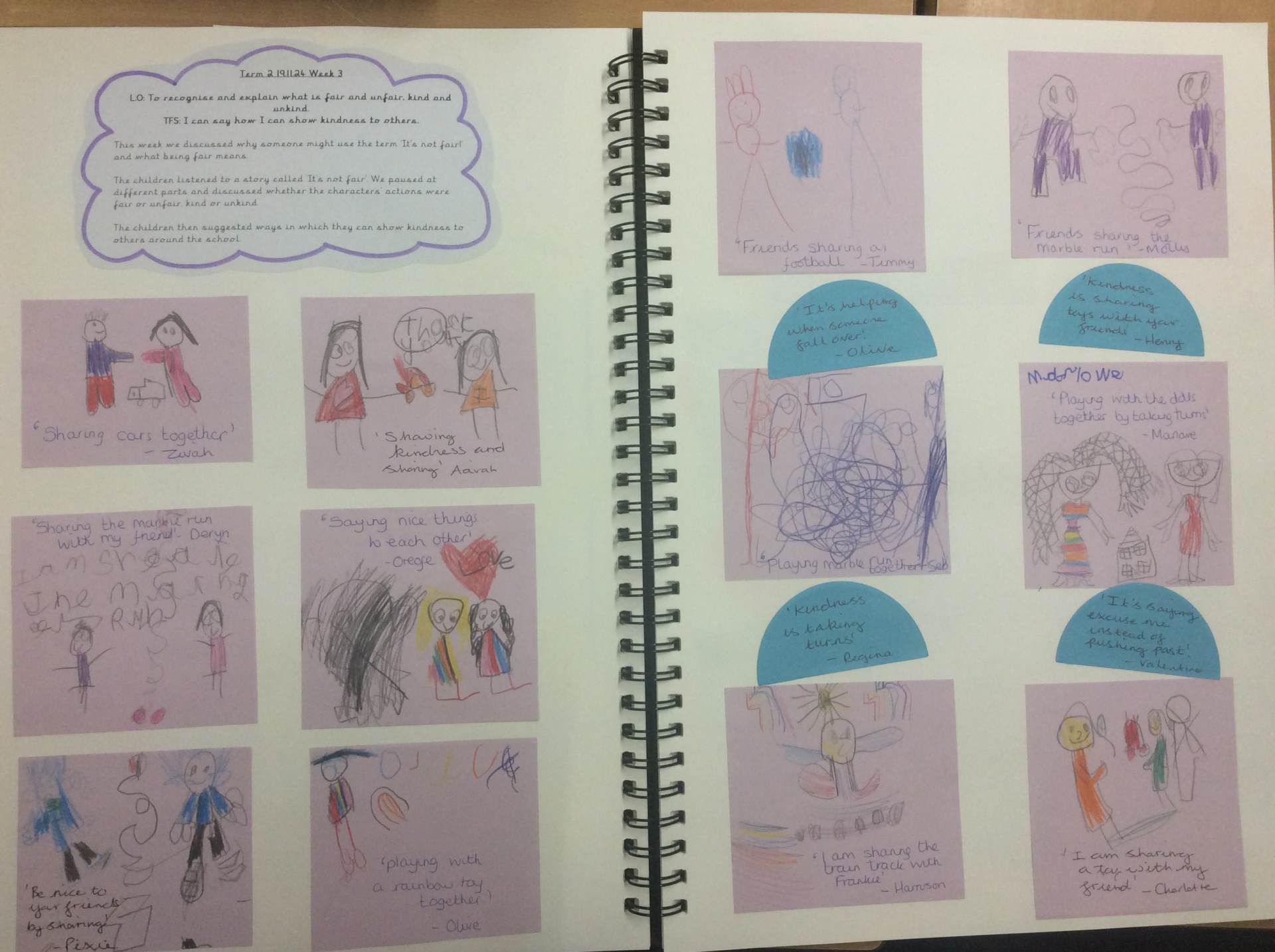
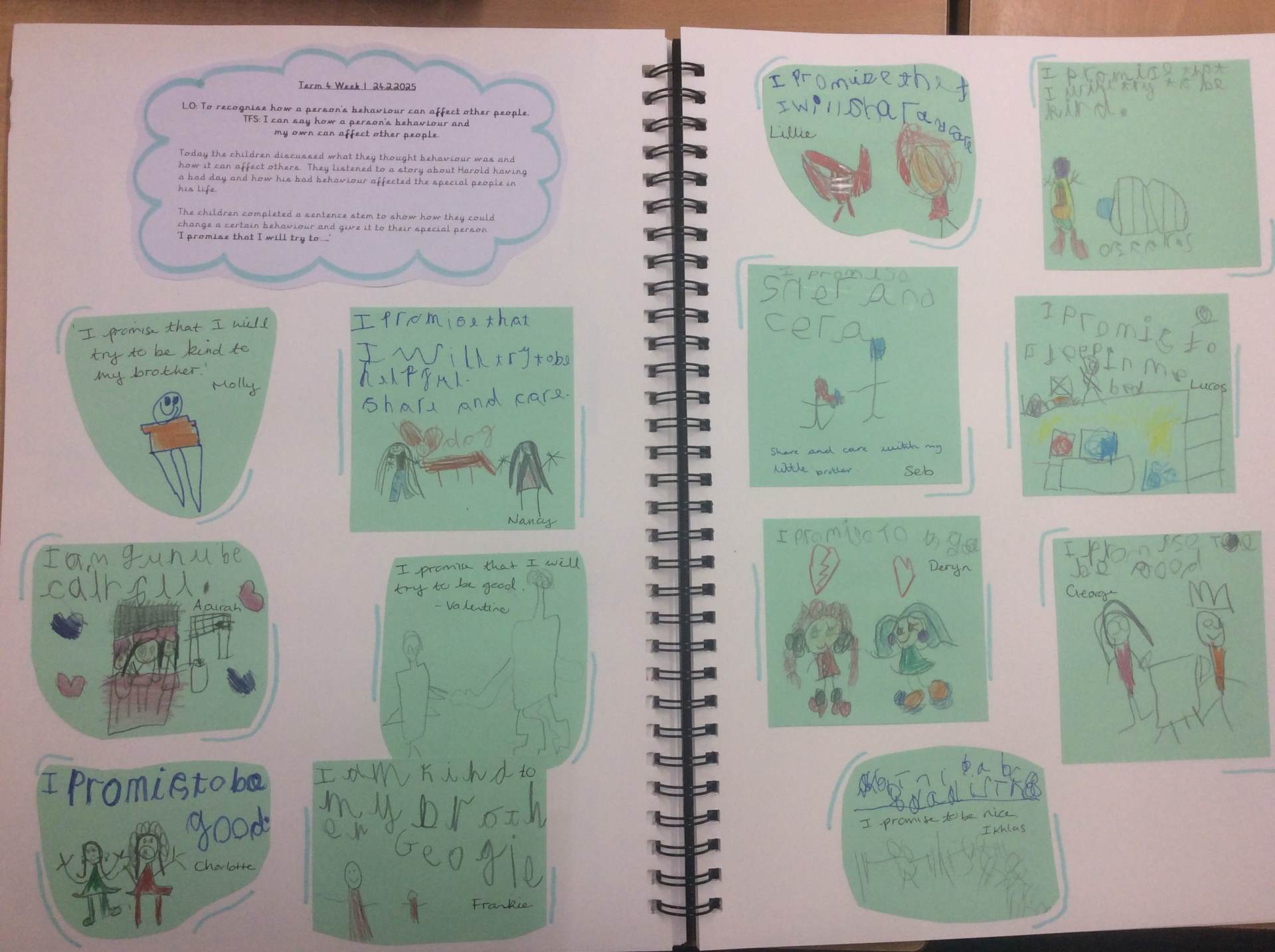
Pupils work is recorded in a class floor book, over the term all pupils will contribute to the book through the work, pupil voice, photos etc. These books will travel with the children as they move to the next year group, in order for pupils to reflect on their learning and the next teacher to see the class’ starting points, ensuring specific needs are met. Assessment for learning opportunities are built into each unit, which enables self evaluation, and allows teachers to evaluate and assess progress through contributions made by children to class discussions and work in the class floor book.
IMPACT
It is evident when walking through the school that the development of the whole child is central to the work we do- children are well cared for and the development of personal, social, emotional and health needs is a strength. Children at JWS are able to talk confidently about how to keep themselves safe both in and around school as well as online and have an age appropriate understanding of themselves and others. They care for each other, accept differences and support their peers in a way that demonstrates that their core values match those of the school and staff. Children at JWS are reflective and articulate when discussing their emotions. Children will have developed self-discipline in their choices about how they can stay fit and healthy including wellbeing of the mind and how this will benefit them now and in their future lives. Using scenarios within their learning means that children can apply transferable skills, preparing them to meet unknown situations with confidence. Pupils at JWS are enabled to develop the vocabulary, confidence and resilience to clearly articulate their thoughts and feelings within an environment that encourages openness, trust and respect and know when and how they can seek the support of others. They will apply their understanding of society to their everyday interactions, from the classroom and the school to the wider community they are part of. Pupils will be able to explain what they are focusing on to become better citizens in our school community and the world beyond.
Please go to our policy page for the PSHE Policy : Policies (Key Information menu tab)
Relationships & Sex Education (RSE)
The Department for Education has made changes to relationships and sex education and they have updated the statutory guidance in 2025 all schools are required to comply with the updated requirements. The statutory guidance can be found at:
PSHE and RSE Statutory GuidanceThe guidance focuses on healthy relationships and keeping children safe in the modern world. It also covers a wide range of topics relating to physical and mental health, well-being, safeguarding and healthy relationships.
The new statutory guidance includes;
- Online safety and wellbeing. For example, pupils will learn about online financial harms such as gaming, video game monetisation, scams and fraud – as well as the reasons for age restrictions on online content such as gambling websites and social media.
- Helping pupils understand their bodies and the changes they might experience — and now, this includes learning the correct names for body parts (including genitalia). This reflects established best practice when it comes to giving children the knowledge and understanding they need to stay safe, including the ability to identify and report signs of abuse, while reducing stigma.
- ‘Personal safety’ to the statutory content, with an emphasis on recognising and reducing risk, in the context of fire and travel safety — for example around water, roads and railways.
- Change and loss, including bereavement; recognising that this can cause a range of feelings, and that everyone grieves differently.
- Communicating effectively, and developing the ability to be assertive and to express needs and boundaries. There’s also an emphasis on skills for managing difficult feelings in the context of relationships, such as disappointment, frustration and loneliness — and these skills are highlighted in online contexts too. For example, pupils will now learn strategies for resisting pressure to share information or images online.
Relationships Education provides the building block needed for positive and safe relationships, including with family, friends and online. Children are taught what a relationship is, what friendship is, what family means and who can support them. In an age-appropriate way, we cover how to treat each other with kindness, consideration and respect. By the end of primary school, pupils will have been taught content on:
- Families and people who care for me
- Caring friendships
- Respectful and kind relationships
- Online safety and awareness
- Being safe
Learning about the emotional, social and physical aspects of growing up will give children and young people the information, skills and positive values to have safe, fulfilling relationships and help them take responsibility for their own well-being. Consequently, from Summer 2021, Relationships and Sex Education (RSE), along with Health Education, became statutory, and forms part of the National Curriculum.
We have reviewed our RSE curriculum and it is an integral part of the PSHE curriculum and policy. From this we can be sure our RSE provision is appropriate for our pupils based on their:
- Age
- Physical and emotional maturity
- Religious and cultural backgrounds
- Special educational needs and disabilities
As part of this process, we consulted with staff and governors and are in the process of consulting with the parents to help inform our schools’ decisions on when and how certain content is covered and reviewing the policy.
Parental Rights to Excuse from RSE
We recognise that there may be a variety of responses from parents to the teaching of the RSE curriculum. Some parents may not wish the school to give their child any information about the changes that take place during puberty, however under the government guidance these are now compulsory teaching under healthy lifestyles and support the science curriculum.
Parents have the ‘right to excuse’ their child from the sex education lessons, conception (this is only one lesson in Year 6) however we do not encourage this; research shows sex education is best taught by trained educators through a safe and positive learning environment. Parents need to be aware that misconceptions can arise from natural conversations outside of these lessons therefore we advise all children to be present during these lessons.
If a parent(s) wish to excuse their child from these lessons, it must be made in writing to the Headteacher.
Please go to our policy page for the PSHE and RSE Policy : Policies (Key Information menu tab)
Consultation for Parents
Links and Resources
Leaflets for Families and Children
Suggested resources to support children and discussions of puberty
Help Your Kids with Growing Up: A No-Nonsense Guide to Puberty and Adolescence by Robert Winston
What's Happening to Me? (Girls Edition) (Facts of Life) by Susan Meredith
What's Happening to Me?: Boy (Facts Of Life) by Alex Frith
BBC MenstrationTalking to Children Kids Big Questions
Examples of Our Work