


Sycamore Class (Year 1)
Welcome to Sycamore Class!
Staff
Class teacher: Miss Bailey
Class Teaching Assistant: Mrs Hosken
PPA Class Teacher: Mrs Bolejko (Wednesday AM)
Term 6 Key Information
- We have indoor PE on a Tuesday morning and Forest School on a Wednesday morning.
- Monday 15th-Friday 19th June - Sports Week
- Friday 19th June - Sports Day (Year 1 and 2 at 9.30am-10.30am)
- Friday 19th June - Family Picnic 12.30pm
- Thursday 2nd July - Whole school Transition session 1
- Monday 6th July - Year 1 and 2 trip to Wingham Wildlife Park
- Monday 6th July - Friday 10th July - Last week of clubs
- Thursday 9th July - Whole school Transition session 2
- Saturday 11th July - FRIENDS summer fair
- Monday 13th July - Whole school Transition session 3
- Wednesday 15th July 3.30-6pm - Book look
- Tuesday 21st July - End of the school year. Family picnic at 12pm.
Term 6 Connected Learning
Our Connected Learning question in Term 6 is ‘Where would you travel?’
In History, we will be continuing to learn about famous explorers who travelled by plane or on foot and investigating why they are significant. These will include Matthew Henson, Felicity Aston, Wiley Post and Amelia Earhart.
In Geography, we will be learning about the continents and oceans of the world.
In Science, we will be carrying out several scientific investigations and experiments to consolidate our learning from this year's Science units. The topics we will cover include: Materials and their properties, plants, weather and seasonal changes, and animals including humans.
In RE, we will be continuing to look in detail at Judaism and answering the big question - Who is Jewish and what do they believe?
In ICT, we will be learning to create our own e-books on Purple Mash by adding images, sounds and text.
Key Texts
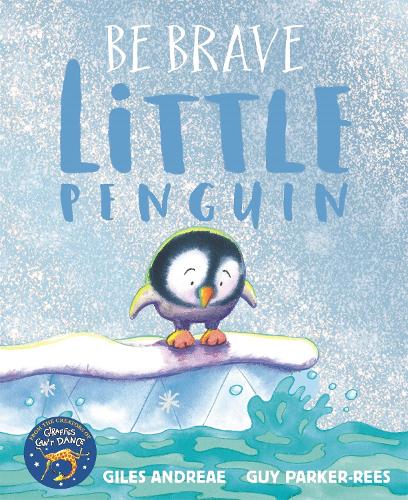
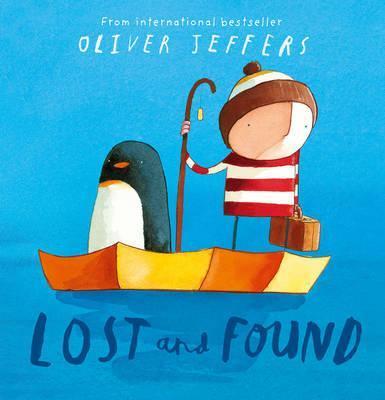
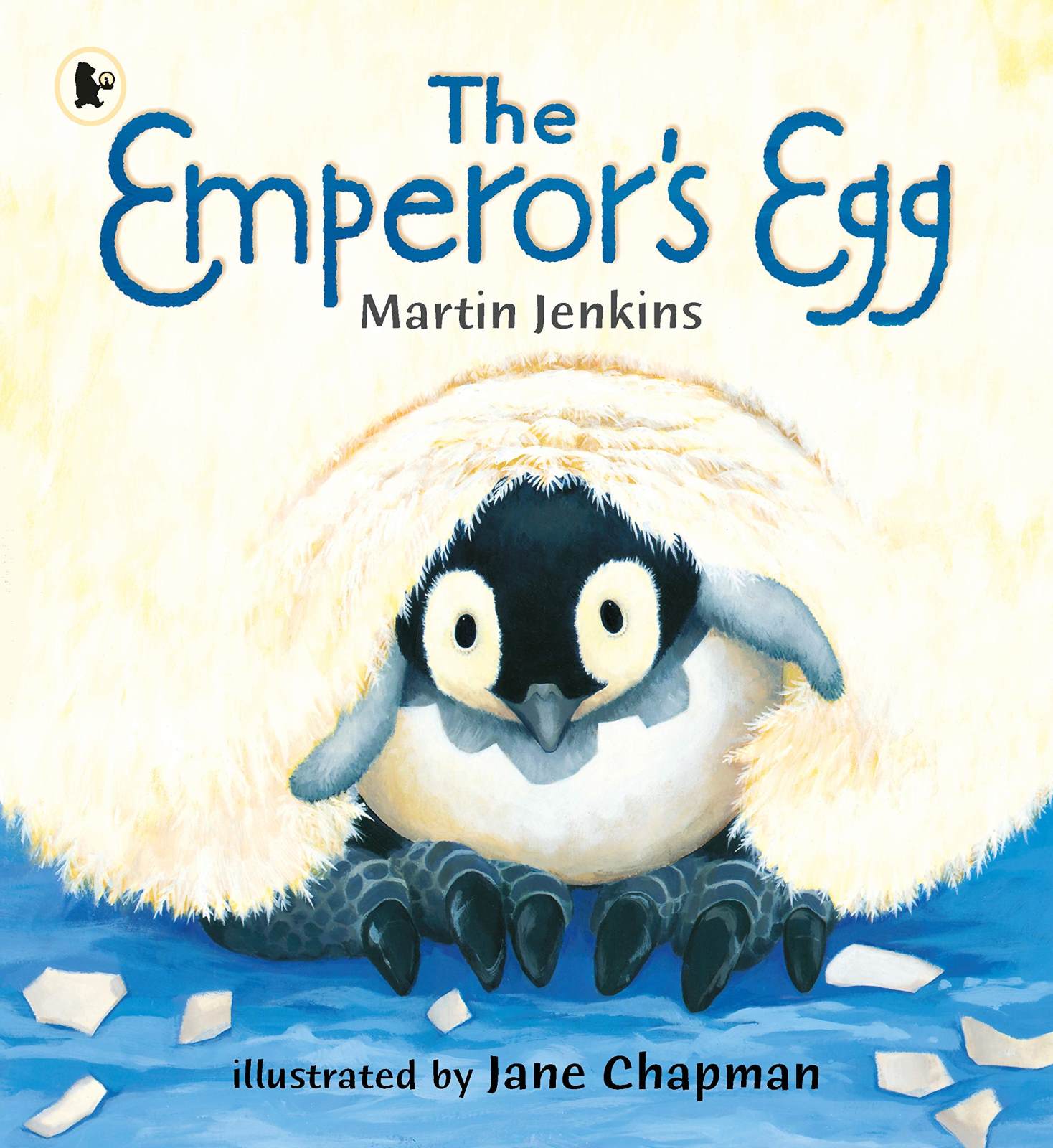
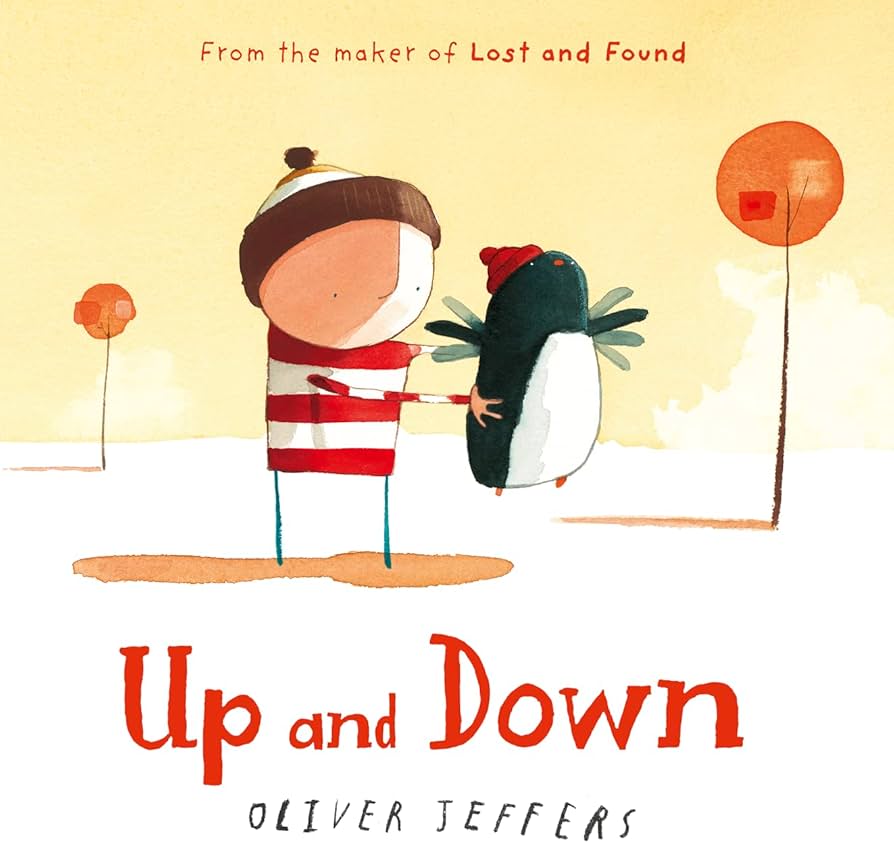
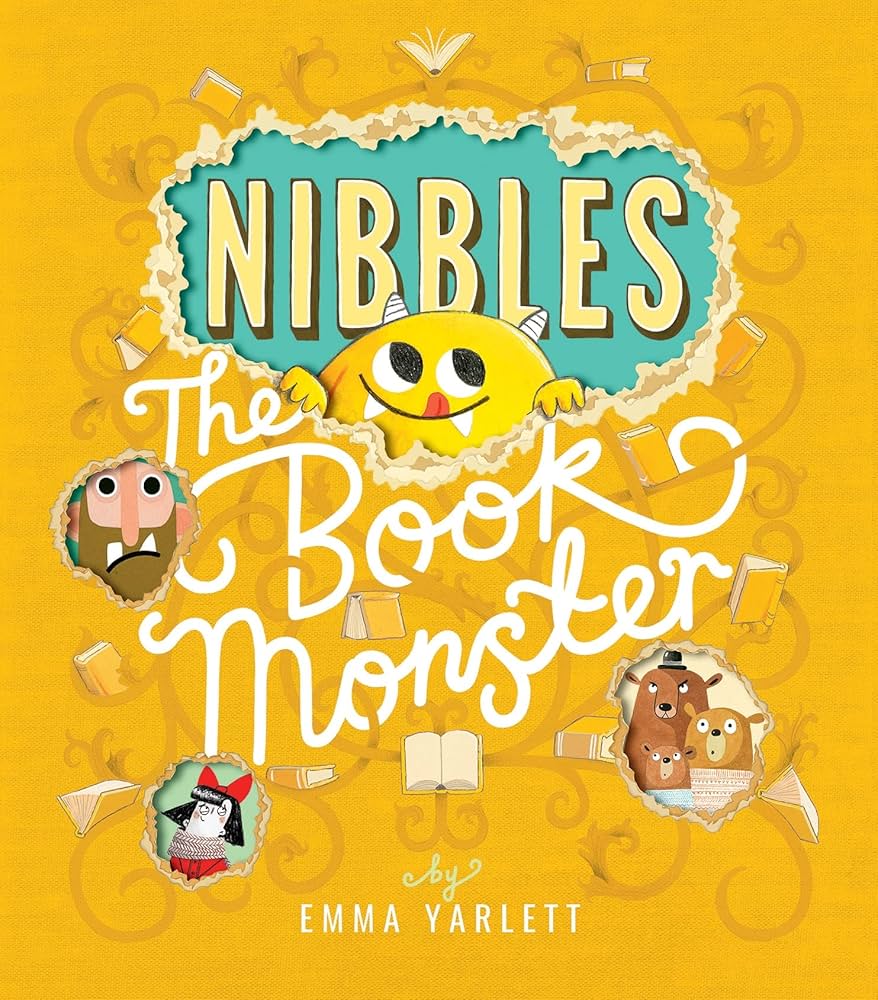
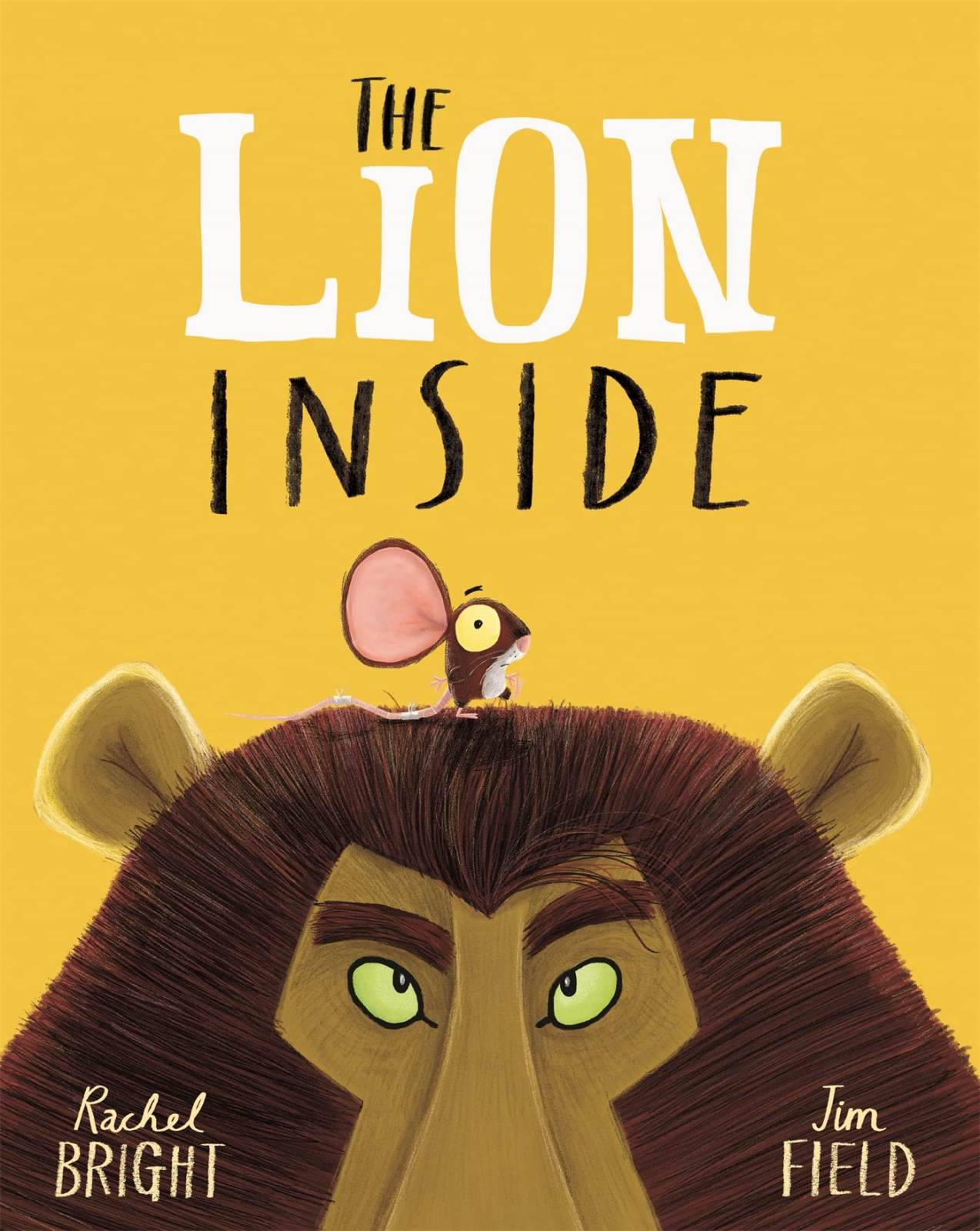
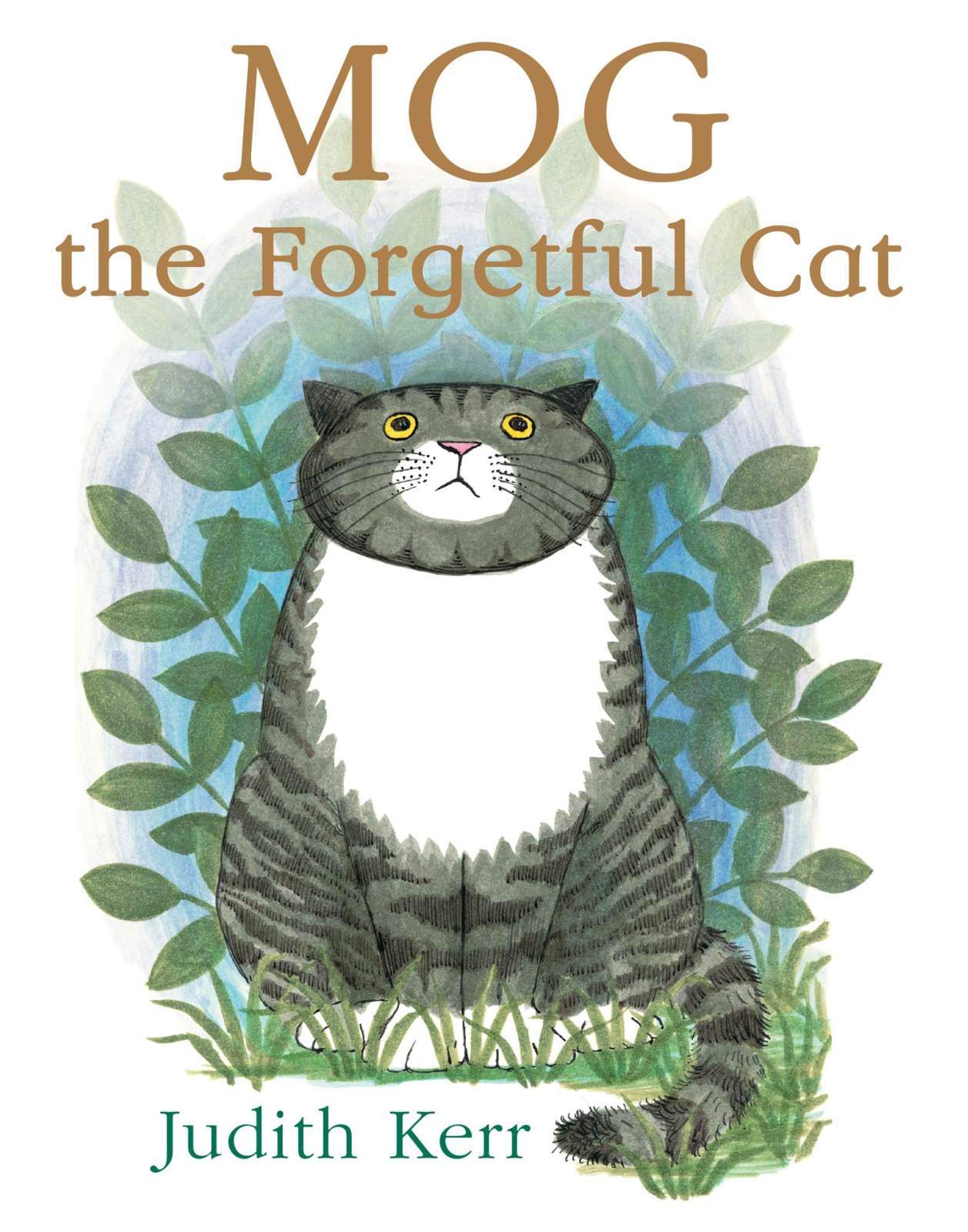
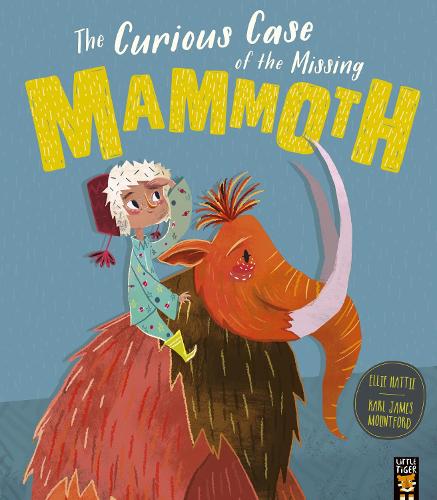
Maths Year 1
Blog
Timetables
Sycamore Autumn Term 1 Timetable 2025
Sycamore Autumn Term 2 Timetable 2025Sycamore Spring Term 3 Timetable 2026
Sycamore Spring Term 4 Timetable 2026
Sycamore Summer Term 5 Timetable 2026
Sycamore Summer Term 6 Timetable 2026
Newsletters
Year 1 Newsletter Term 1 2025Year 1 Newsletter Term 2 2025Year 1 Newsletter Term 3 2026
Year 1 Newsletter Term 4 2026Year 1 Newsletter Term 5 2026Year 1 Newsletter Term 6 2026
Home Learning
Year 1 Home Learning Term 3Year 1 Home Learning Term 4
Year 1 Home Learning Term 5 and 6
Spellings
Year 1 First 100 High Frequency Words
Useful websites
This list is not exhaustive, but these (mostly) free websites can help to continue to develop skills at home. Please let the class teacher know if you have found a good website we could add to our list!
GENERAL
Games for various subjects: https://www.ictgames.com/
Help for home learning: http://www.primaryhomeworkhelp.co.uk/
CBeebies: https://www.bbc.co.uk/cbeebies
Scratch Jr: (programming): https://www.scratchjr.org/
Hour Of code: https://hourofcode.com/uk/learn
ENGLISH
Purple Mash (School Login Required): https://www.purplemash.com/login/
Education City (School Login Required) https://www.educationcity.com/
PHONICS
Cued Articulation JWS Phases 3 and 5 https://youtu.be/9E2LN7_x7EY
MATHS
Maths games:https://www.topmarks.co.uk/
Maths Playground: https://www.mathplayground.com/
Number Bonds:https://www.topmarks.co.uk/maths-games/hit-the-button
CONNECTED LEARNING
British Antarctic Survey: https://www.bas.ac.uk/
Google Maps: https://www.google.com/maps
Google Earth: https://www.google.co.uk/intl/en_uk/earth/
National Geographic Kids: http://www.natgeokids.com/uk/
Home Learning
We do a termly home learning project which can be found here, and on Seesaw (log in information can be found in the children's Reading Records). In addition, we would appreciate you reading daily with your child and encouraging them to complete any activities sent home.
Seesaw will also be used by us to post: Home learning challenges, Reading challenges and class information. Your child can then choose whether to bring their work into class or respond via Seesaw.
Please contact the Office (on 01233 614660, or email on office@john-wesley.org.uk) if you have any questions or need help with navigating Seesaw.
What can you do at home?
Reading
Read a book you haven't read before (Oxford Owls has some good free books to read online!)
Read and follow some instructions.
Put your books in alphabetical order.
Rank your story books from most to least favourite.
Choose a word or a sound to hunt for - how many times can you find it?
Read to your toys - they love books as well.
Writing
Keep a diary every day. This is a really good way to get your feelings out and can be a really good piece of history.
Make up a story about one of your favourite characters from a book or a film.
Draw and write your own comic book.
Write the lyrics to your favourite song, but change them a little bit!
Use different writing tools, like felt pens, crayons, chalk or paint to write with.
Maths
Play Countdown. Can you make a target number using only random numbers?
Counting - How many toys do you own?
Sorting - Can you sort your toys into groups, based upon certain criteria (i.e. soft, fluffy, metal, plastic).
Sorting - Can you order toys from largest to smallest? Heaviest to lightest?
Find and write down all objects with numbers on them in the house. How many do you have?
Measure and record the length of a bean plant as the days go on.
Bake a cake.
How many small containers of water fit into one large container?
Other activities
Build a den from blankets and pillows. Use it as a reading area.
Make something using real tools (with supervision!)
Learn computer science.
Learn a language as a family.
DIY Science Experiments.
Make a treasure hunt around the house.